

Photo provided by
Most parents describe their homes as safe places for their children. Yet many still worry about risks they cannot see.
According to a , a strong majority of parents express confidence in their home鈥檚 overall safety. At the same time, many report ongoing concerns about hidden hazards, including environmental and infrastructure-related risks.
The findings point to a clear tension: Parents feel secure in their homes, but they are not fully at ease.
Confidence and Concern Can Coexist
Parents today are familiar with traditional safety measures. Stair gates, cabinet locks, and outlet covers are visible safeguards. They are easy to assess and adjust.
People are also reading…
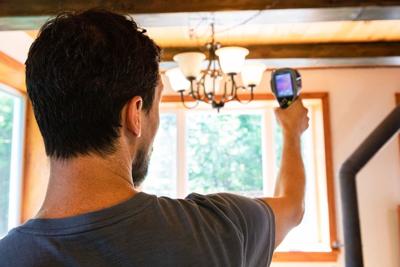
Hidden risks are different. Issues such as water quality, aging plumbing, and other system-level concerns are harder to evaluate without testing or inspection. That lack of visibility appears to drive unease.
The study suggests that many parents hold two beliefs at once. They trust their homes. They also worry about what may be happening behind the walls or within pipes.
That dual mindset reflects a broader shift in how safety is defined.
Home Safety Is Expanding Beyond the Obvious
For years, home safety conversations focused on preventing accidents. Falls, burns, and sharp edges dominated the discussion.
The new findings show that parents are now thinking beyond those immediate threats. Environmental quality and infrastructure reliability are increasingly part of the equation.
These concerns are less about momentary accidents and more about long-term exposure. They require ongoing attention rather than a one-time fix.
This shift does not mean parents believe their homes are unsafe. Instead, it suggests expectations have changed. Safety is no longer limited to what can be childproofed. It now includes what must be monitored.
Awareness Shapes Anxiety
Access to information has expanded how families think about risk. Coverage of infrastructure challenges, environmental issues, and product recalls has increased public awareness of what can go wrong inside a home.
As awareness grows, so does scrutiny. Parents are more likely to question systems they once took for granted.
The study also indicates that concern levels vary by factors such as homeownership status and property age. Older homes may prompt additional questions about underlying systems that are not immediately visible but remain central to daily life.
In this context, feeling safe does not mean feeling certain.
Why This Matters for Modern Families
The gap between confidence and concern carries practical consequences. Parents who feel secure may not rush to investigate potential blind spots. At the same time, lingering worries can influence decisions about testing, maintenance, and upgrades.
This balance between reassurance and vigilance is shaping how families approach their living spaces. Safety is treated less like a checklist and more like an ongoing responsibility.
The findings also reflect a larger cultural shift. Homes are increasingly viewed as environments that affect long-term well-being, not just places that protect against immediate harm.
As conversations around environmental quality and infrastructure continue, expectations for household safety are likely to evolve further.
Parents may feel confident in their homes today. The data suggests they are also paying closer attention to what they cannot see.