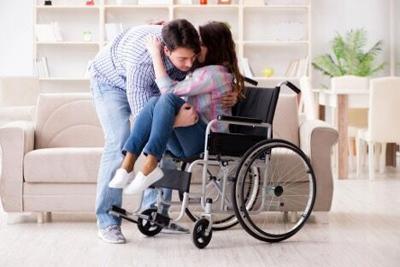


Photo provided by
Caregiving rarely begins with a plan. It often starts after surgery, a sudden diagnosis, or a short-term illness that quietly stretches on. In those moments, care moves out of hospitals and into kitchens, bedrooms, and living rooms, spaces never designed for daily medical support.
Public attention tends to focus on treatment decisions and insurance coverage. Less visible is a growing gap beneath the surface: many caregivers lack access to basic patient care supplies needed to provide safe, consistent support at home.
Care Is Shifting Faster Than Support Systems
Informal and unpaid caregiving is rising across age groups. Public health data shows for family members or friends while balancing jobs, children, and financial pressure. Many step into the role with little preparation, limited guidance, and few clear expectations.
People are also reading…
Caregivers are often asked to manage wound care, mobility support, hygiene needs, or infection prevention using whatever supplies are already available. In many cases, no one confirms whether those supplies even exist.
What鈥檚 Missing Isn鈥檛 Complex Equipment
The gap is not about advanced medical tools. It centers on everyday essentials, such as gloves, protective barriers, hygiene supplies, skin protection products, and basic mobility aids.
These items rarely attract attention, yet their absence can carry real consequences. Without reliable access to basic supplies, care becomes inconsistent. Routines break down. Shortcuts become common. The margin for error narrows.
Preparedness Shapes Safety and Recovery
links access to basic resources with stronger patient safety and recovery outcomes. Caregivers who feel equipped are more likely to follow instructions correctly, maintain hygiene standards, and identify early signs of complications.
When resources are missing, care shifts into improvisation, with supplies substituted, steps skipped, and small lapses compounded over time.聽
Stress Builds Where Resources Fall Short
show higher levels of anxiety, fatigue, and decision fatigue when caregivers lack confidence in their tools or routines. In these conditions, error rates rise, not through neglect but through overload.
Patient safety can also be at higher risk when continuity breaks between clinical settings and home care. Recovery periods are especially vulnerable, since patients rely heavily on caregivers for daily support during this phase.
A Hidden Assumption in Healthcare Transitions
Many care transitions rest on an unspoken assumption: that basic needs will be met once care leaves a formal setting. Discharge instructions often explain what to do, but not always how to do it, or what supplies are realistically required.
This leaves caregivers dependent on personal finances, local availability, and guesswork. Outcomes vary widely, often for reasons unrelated to effort or attentiveness.
The Cost of an Invisible Gap
This care gap remains easy to overlook. Caregivers carry the burden quietly and often internalize blame when challenges arise. Systems continue to prioritize treatment plans while overlooking the practical details that make those plans workable at home.
As caregiving becomes more common, . Home-based and post-acute care are expanding, making preparedness a central factor in care quality.
Providing access to basic patient care supplies is one of the most direct ways to reduce stress, limit avoidable complications, and support care continuity. Resources like section show how everyday tools can be centralized and aligned with real caregiving needs rather than clinical assumptions.
Why This Gap Matters Beyond the Home
Caregiving sits at the intersection of public health, labor, and healthcare delivery. When basic needs are overlooked, the effects surface elsewhere, including emergency visits, caregiver burnout, and uneven recovery outcomes. When those needs are anticipated and supported, caregiving becomes safer, more consistent, and less isolating.
The care gap no one sees is not a mystery. It is a systems issue hiding in plain sight, built on the belief that basics will somehow appear when needed. As care continues to move into everyday spaces, closing that gap is one of the most practical and overlooked steps toward a more resilient healthcare system.