




ST. LOUIS 鈥� Amid vocal public opposition, a Franklin County businessman is defending a major data center project planned for hundreds of acres of land his family owns near Interstate 44 at Gray Summit.
L.B. Eckelkamp Jr. 鈥� whose family owns the more than 600 acres slated for a data center complex and is CEO and board chairman of the Bank of Washington 鈥� told the Post-Dispatch in a recent interview he was surprised by the amount of public attention the proposal has received.

L.B. Eckelkamp Jr., CEO of the Bank of Washington and chairman of its board of directors.听
"I knew there would be public attention because we saw it happening in other places," Eckelkamp said. "I had no idea there would be this much public attention when we originally entered into the contract."
But Eckelkamp, 82, of Washington, said he's still committed to the project, which he touted as a "huge benefit" to Franklin County and the largest economic development project in county history.
People are also reading…
"I can't think of a better use for the property because of the minimal problems that it causes," Eckelkamp said, "and the huge benefit that it gives to the area."
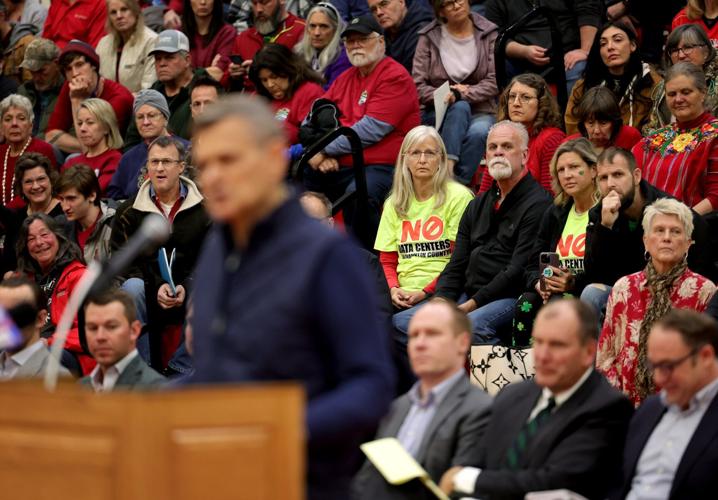
His comments followed a packed public meeting Tuesday at Union High School, which stretched to 4:39 a.m. Wednesday, as the vast majority of speakers voiced opposition to the Gray Summit project and another in Pacific.
The Franklin County Planning and Zoning Commission, which held the meeting last week, is set to again consider rezoning for the two projects at its April 21 meeting. The commission's recommendations are nonbinding, leaving the ultimate rezoning decision to the Franklin County Commission.
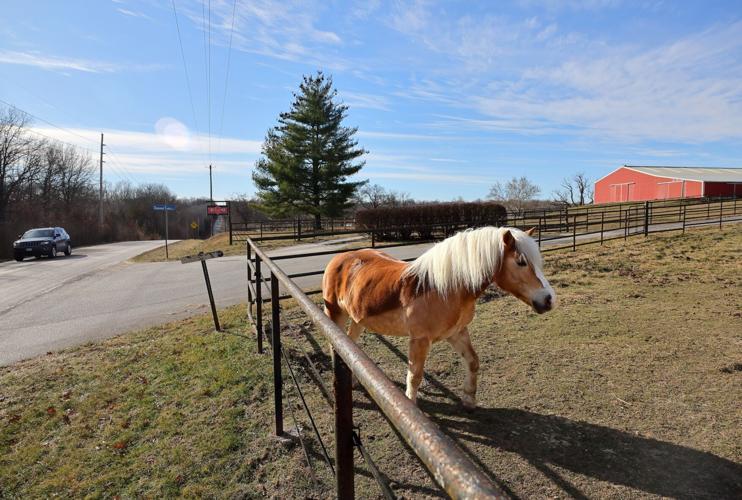
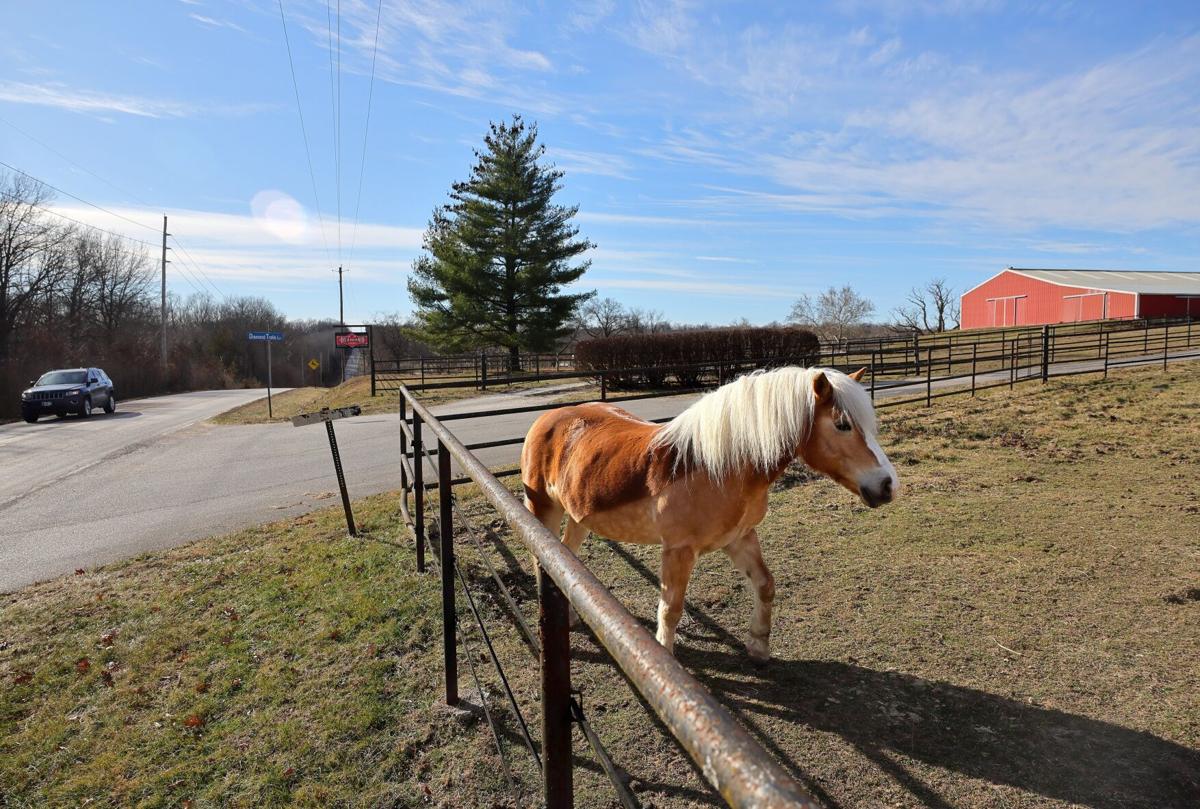
Eckelkamp estimates that听a majority of the land has been in the family for a little over 20 years. The 644 acres includes a stable, cattle, a number of houses and a couple of barns.
"Basically we bought the property simply for investment purposes," he said.听"It was purchased for development, and (we were) awaiting the opportunity for development. Of course, when we bought it, we had no idea that it would be developed into a data center."
Eckelkamp said several developers approached the family but that they ultimately signed a contract with Provident Data Centers. He estimated the Texas developer approached him a year and a half to two years ago.
"The property is apparently ideally situated for a data center," because of access to utility lines and the size of the property, allowing for "a very large data center" while still having open ground around it, Eckelkamp said.
Across the country, opponents are raising environmental and quality-of-life concerns as developers rush to secure sites and build out more data center capacity to meet high demand from tech giants.
Residents at last week's planning and zoning meeting feared the project would harm the area's rural ambiance that many cite as a top reason they love and live in Franklin County.
They also spoke about potential impacts on other water and electric users, given data centers' heavy consumption of both resources.
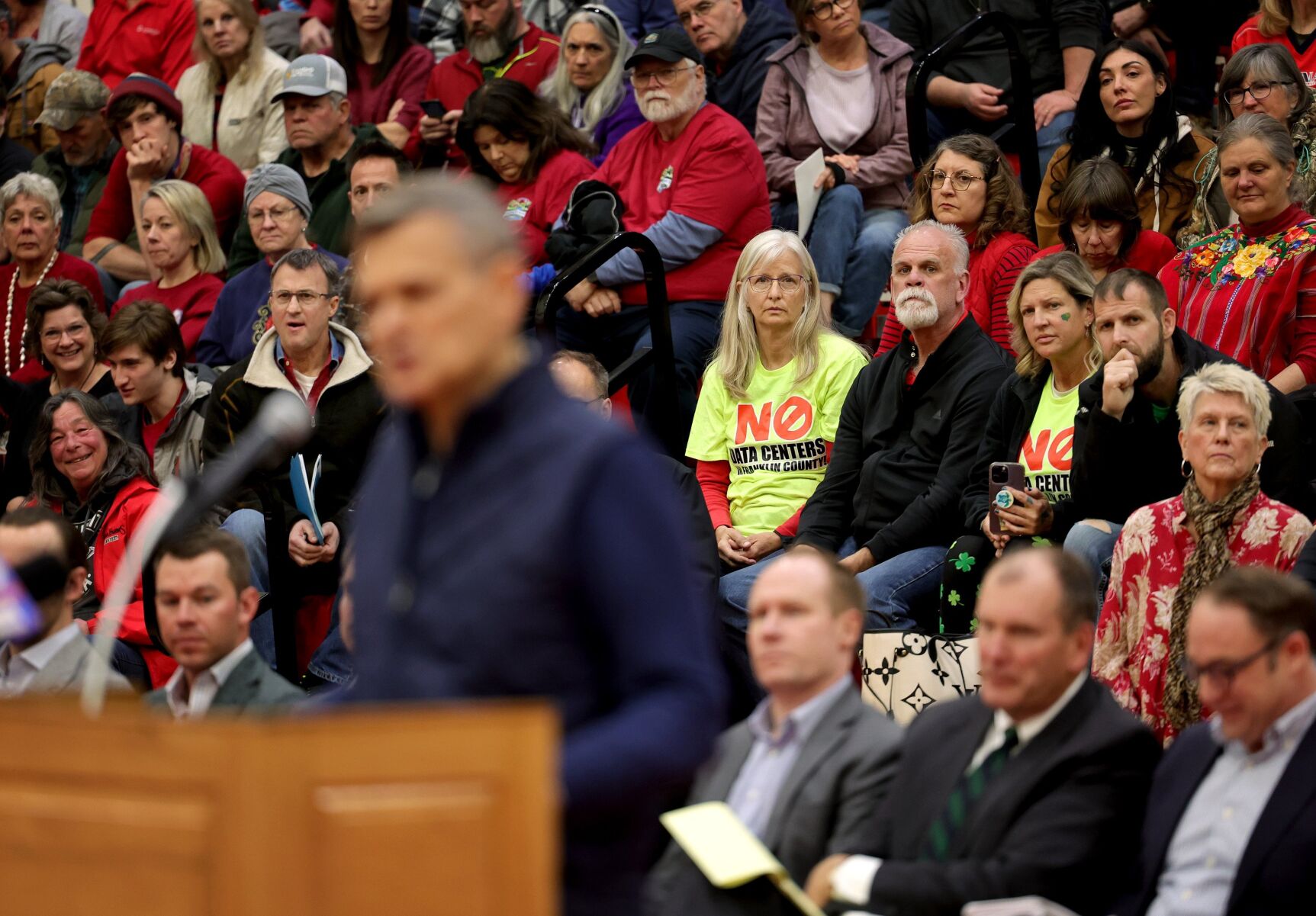
A crowd of about 850 people listen as Roman Pacewicz addresses Franklin County Planning and Zoning Commission in the gym at Union High School on Tuesday, March 17, 2026. Pacewicz spoke in favor of the proposed data center at Diamond Farms in Franklin County, but the crowd on hand spoke overwhelmingly against the two proposed data centers that developers want to build.
But Eckelkamp said valid concerns have been addressed.
"We carefully consider all of the objections that have been made," Eckelkamp said. "And in fact, we have, in my opinion, completely resolved any valid objections."听
With regard to water usage, Eckelkamp said the project would use "very little water." The developer has said the center would use a closed-loop cooling system.
On noise, he said听the developer听"can guarantee that there will be no more noise emanating than there is today."
In documents about the Gray Summit plan, developer Provident Data Centers committed to keeping noise levels the same at residential boundaries and the Shaw Nature Reserve while limiting levels to slightly louder "than ambient noise along highway and non-residential boundaries."
Eckelkamp also said the developer will pay for any additional electrical work needed for the site.
He said the project is 1,000 feet or more from any residential area and more than 1,000 feet听鈥� more than three football fields听鈥� from the Shaw Nature Reserve.
"The site on our property will be totally invisible from the Shaw Nature Reserve or anywhere along Robertsville Road, which divides our property from the Shaw Nature Reserve," Eckelkamp said.
The 13-building hyperscale data center campus will听generate over $50 million per year in new tax revenue for local governments, according to officials' estimates.
"There's going to be a huge benefit for all of the residents of Franklin County because of the tax that's generated," Eckelkamp said. "Any minor inconvenience for a very few people, if any 鈥� if any 鈥� is more than overridden 10 times over by the benefits."
Eckelkamp said ultimate sale of the land depends on it being rezoned by Franklin County. He said the land is under contract but declined to disclose the sale amount.
He said people are making "totally inaccurate" statements about the danger of data centers, such as the complexes "hurting the brain and all kinds of crazy stuff."
Eckelkamp said he's been personally criticized over the project.听
"You don't like to be criticized, of course, but I'm proud of what we're doing," he said.
The project hasn't affected business at the Bank of Washington, Eckelkamp said. He said people aren't pulling their money out of the bank because of the project.
"There's, you know, some crazy Facebook stuff asking people to do that, but nobody does," he said.


Here's what you need to know about data centers in the 最新杏吧原创 area. Reporting by Bryce Gray, video by Jenna Jones.